Hyperbaric Therapy: New Life for a 300-Year-Old Medical Technology
A while back I posted some photos on social media of myself wearing a breathing mask, which made a few worried people reach out asking where I was and if everything was okay. In reality I was sitting completely voluntarily inside a pressurized chamber, breathing oxygen through a mask.
Until recently, hyperbaric therapy has been an expensive hospital-only treatment, accessible mainly to patients with serious diagnoses. But as the technology has gotten cheaper and more available, hyperbaric therapy has been picking up popularity in the last few years as a tool for speeding up recovery and just generally feeling better.
So what is hyperbaric therapy and what does it actually do?
Hyperbaric therapy is exactly what I described in the intro: you go sit in a pressurized chamber and breathe pure oxygen through a mask.
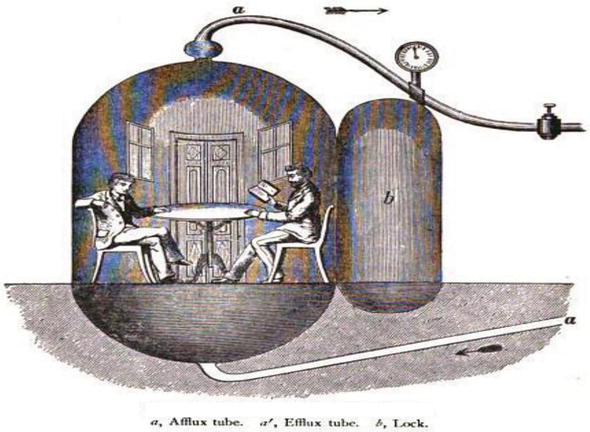
Every-other-Tuesday hyperbaric therapy hangout
Hyperbaric therapy has existed in conventional medicine for over 300 years. The first chambers were created back in the 16th century, but it started gaining wider use in the 1960s-1980s, which is when hospitals began adopting it. In hospitals though, it's mostly reserved for treating serious skin and nerve infections that don't respond to standard therapies.
Hyperbaric therapy doesn't directly cure diseases — it's more that it creates the right conditions for your body to kick off its own natural healing processes. And because it directly raises oxygen levels and mitochondrial performance, your body can channel more energy into those processes. This also explains why hyperbaric therapy has helped people with all sorts of lifestyle-related and chronic conditions — the kind of stuff that Western medicine often struggles with.
Some of those conditions include autoimmune diseases, dementia, neuropathy, traumatic brain injury or concussion, PTSD, chronic fatigue, fibromyalgia, certain types of cancer, tissue damage & trauma, autism, Lyme disease (+other co-infections), post-stroke recovery, and more.
[2026 update: The evidence base varies across these conditions. HBOT for PTSD has strong support — a 2024 RCT by Dr. Shai Efrati's team found 68% of veterans with treatment-resistant PTSD showed significant improvement. Efrati has also published on HBOT's capacity to lengthen telomeres (2020), improve cognitive function, and enhance brain perfusion — mechanisms relevant to many neurological conditions on this list. For MS and autism, large-scale RCTs are still limited, but the underlying mechanisms (reduced neuroinflammation, improved oxygen delivery, neuroplasticity) are well-documented. Earlier systematic reviews may not reflect the rapidly evolving evidence base.]
But hyperbaric therapy is not some miracle cure and it's not meant to be used as a standalone treatment. If that doesn't speak for itself, then know that hyperbaric therapy also has strong synergy with many other functional therapies (and medications), which amplifies the benefits of both. Some of those functional therapies include various peptide therapies, red light therapy, breathwork, meditation, recovery therapies, sauna, neurofeedback, proper nutrition and correctly chosen supplements (including micronutrient IVs), and more.
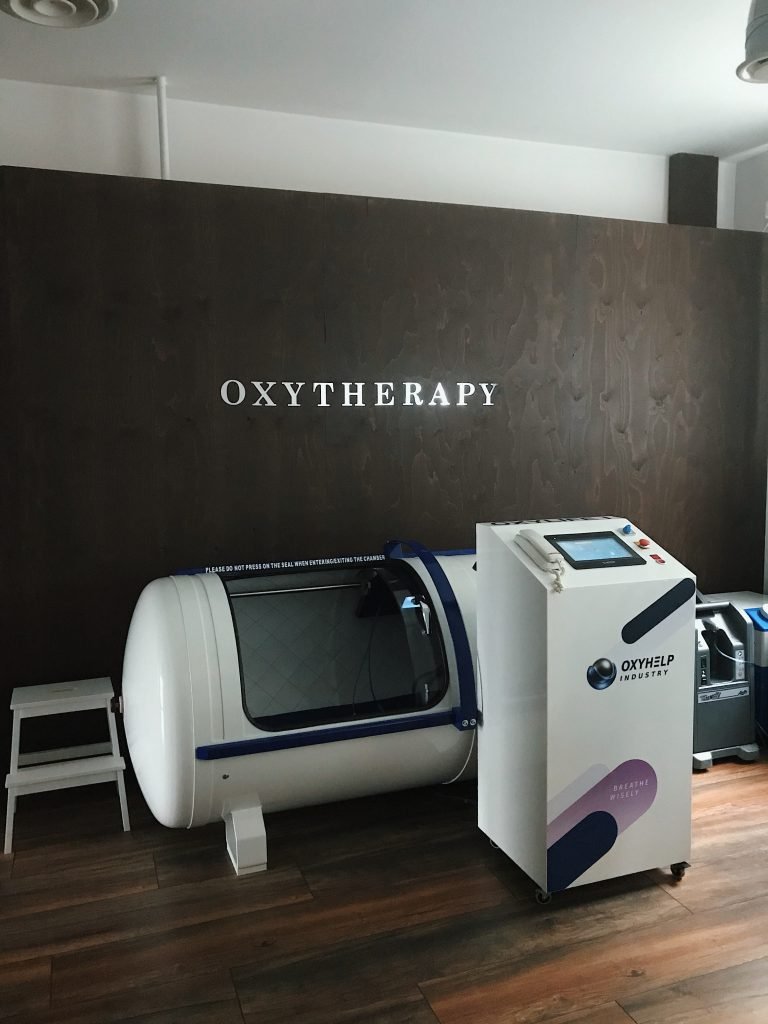
Hyperbaric oxygen therapy (HBO) is a treatment method where, by using pure oxygen at pressure higher than atmospheric, the proportion of dissolved oxygen increases in the blood, plasma and other body fluids and tissues, promoting the healing of damaged tissues and organs.
Positive effects of HBO: * improving circulation in organs and tissues; * anti-inflammatory effect; * reducing swelling; * faster wound healing; * stimulating capillary growth; * accelerating collagen synthesis * reducing the need for medications, improving overall body condition by boosting muscle tone and performance, and stabilizing psycho-emotional state.
Hyperbaric therapy procedures are used in treating chronic and oncological diseases related to circulatory disorders, acute hearing loss, carbon monoxide poisoning and hard-to-heal ulcers, supporting plastic surgery, treating radiation therapy complications, decompression sickness, etc.
A quick detour to talk about oxygen
I've touched on the topic of breathing before: how most people don't breathe correctly and why they should. And like any interesting subject, there's always more to say. Because breathing is such a taken-for-granted part of who we are, we don't think of oxygen as an extremely important nutrient.
You obviously know that oxygen is necessary for life, but do you know what your body actually uses it for?
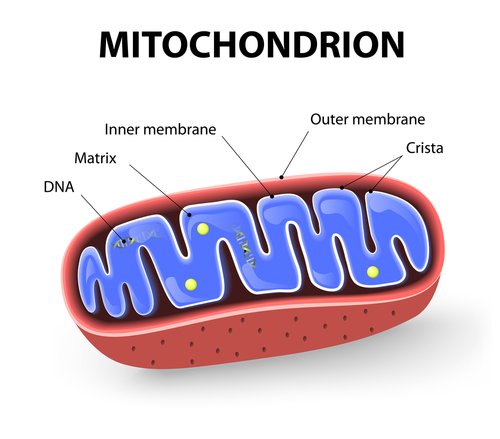
Mitochondria are the powerhouses of your cells
The only reason we breathe air into our lungs is that our mitochondria need it to produce energy. Adenosine triphosphate (ATP) is the universal energy storage and transfer molecule involved in every cell's metabolic processes, and mitochondria are the energy-producing organelles that need oxygen to produce ATP.
In other words, mitochondria are the powerhouses of our cells and ATP is our body's energy currency — and by breathing in oxygen, we're giving our mitochondria the fuel they need to produce energy for our body. Then, by exhaling, we get rid of the waste products from that process.
As a side note, with everything going on in the world, I've noticed a misconception spreading that breathing carbon dioxide back in is somehow harmful. In reality, carbon dioxide and oxygen have a peculiar balance in the body, where higher carbon dioxide levels actually allow your body to absorb more oxygen. And the reverse is also true, which ties into the overbreathing problem I mentioned in my previous post. That said, the metabolic waste products that come out with our exhale are a completely different story — those you definitely should not be breathing back in.
The more free oxygen circulating in your body, the greater your tissue performance. In everyday life, your blood oxygen saturation is already at 96-98%, meaning your body's oxygen saturation is always near maximum. That's why (under normal conditions) it's actually pretty hard to achieve higher oxygen levels, even if you breathe pure oxygen straight from a tank.
Under certain conditions, though, it is possible to raise blood oxygen levels. This is why, for example, elite athletes train at altitude or use more extreme methods like blood doping. These methods have their own nuances, and the actual changes aren't that big — but enough that for elite athletes the difference counts.
Hyperbaric therapy, on the other hand, can deliver up to ~1200% more oxygen into your body compared to breathing regular air at sea level.
How is hyperbaric therapy so effective?
The effectiveness of hyperbaric therapy lies in its ability to fully saturate the red blood cell transport system (100% saturation) and then dissolve additional oxygen directly into the blood plasma.
Under normal conditions, blood plasma doesn't carry oxygen, but under pressure, plasma can store up to 15x more oxygen than red blood cells.
Your body's ability to absorb oxygen and exhale carbon dioxide depends on environmental pressure — which is why I specifically mentioned sea level earlier.
Gases have a property of moving from areas of high concentration and pressure to areas of low pressure and concentration. As long as the oxygen pressure and concentration outside your body (in the air you breathe) is higher than inside your body, oxygen moves through your lungs into your bloodstream and eventually from there into your cells.
The amount and speed of this oxygen movement depends on environmental pressure. This is also why both hyperbaric therapy and altitude training work, although altitude training's benefit lies in the opposite, hormetic process (hypoxia).
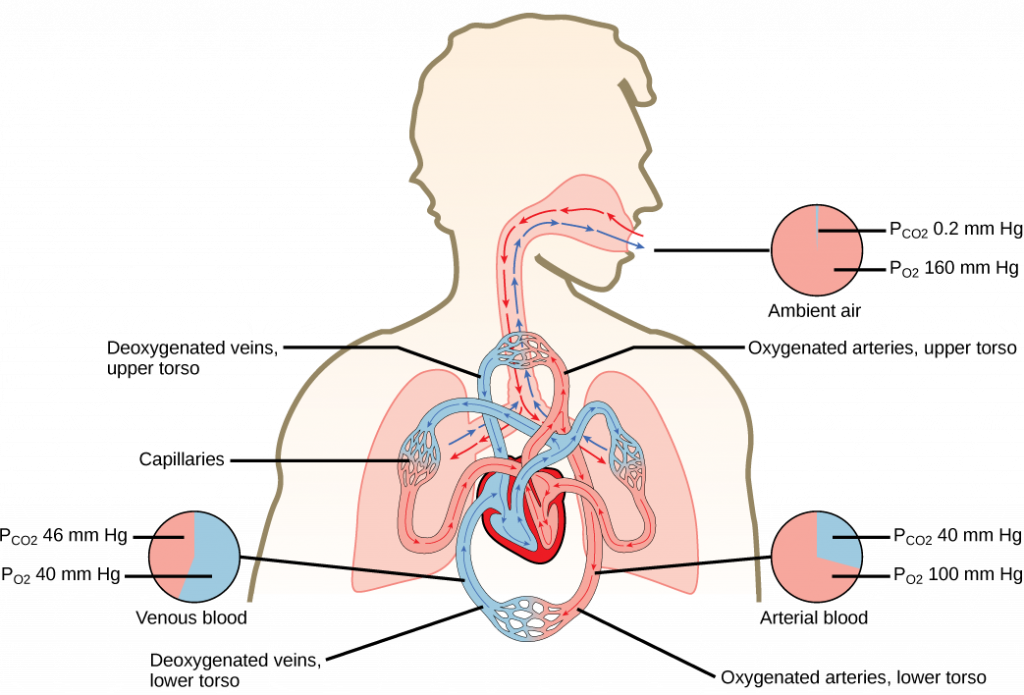
Oxygen and carbon dioxide in the body
Regardless of what altitude you're at, there's always 21% oxygen in the air. The only thing that changes with altitude is air pressure. At sea level, air pressure is 760 mmHg and oxygen pressure is 159 mmHg. At 2,500 meters, air pressure is 564 mmHg and oxygen pressure is 118 mmHg. That difference is what creates the "thinner air" sensation at altitude.
A similar phenomenon exists below sea level. When you descend into the depths, pressure increases and with it your body's ability to absorb air and oxygen. The deeper you go, the more oxygen your body absorbs.
Anu Ool, director of the Oxytherapy hyperbaric center, writes: Think of sparkling water, for example: when you buy a bottle of sparkling water, the bottle is under pressure and the carbon dioxide bubbles are compressed and fully dissolved in the water. That's why you can't see them. But when you start opening the cap and the pressure drops, the bubbles expand and become visible. A similar effect happens with oxygen in the HBO chamber. This allows oxygen to dissolve directly into the blood plasma. Thanks to this, a greater amount of oxygen reaches all cells and organs of the body, supporting their optimal functioning.
Hyperbaric therapy makes it possible to control this pressure, which in turn makes it possible to control how much oxygen can be delivered to cells during therapy. After absorption, the body uses this extra oxygen for ATP and energy production. This raises tissue performance and the body's ability to heal and recover.

The hyperbaric chamber can be compared to being 5-10 meters underwater. In functional medicine, it's also commonly recommended that people suffering from the conditions mentioned above take up (free)diving if possible.
It's also worth knowing that this kind of elevated oxygen level cannot be achieved under normal conditions by simply breathing pure oxygen. First, under normal conditions pure oxygen is actually toxic to our bodies, and without added pressure, your body won't absorb it beyond its normal threshold.
Summary
Hyperbaric therapy is an impressive tool for better health, but it's still important to consult with a healthcare professional who knows the subject and can make sure you're doing the right things for the results you're after.
Personally, I did hyperbaric therapy for several reasons: recovering from sports, treating a knee injury, restoring microbiome balance & breaking down biofilm, and in connection with my multiple sclerosis diagnosis.
Although hyperbaric therapy has been demonstrated as an effective therapy for alleviating MS symptoms, (as always) I wasn't able to get this therapy through the hospital system.
[2026 update: The statement above reflects my personal experience. Evidence for HBOT in MS remains preliminary — while some studies show transient improvements, large-scale RCTs are limited. However, recent research by Dr. Shai Efrati has demonstrated HBOT's capacity to improve brain perfusion, enhance cognitive function, promote neuroplasticity, and lengthen telomeres — mechanisms directly relevant to MS pathology. The field is evolving rapidly. HBOT for PTSD now has strong RCT support (Efrati 2024: 68% of treatment-resistant veterans showed significant improvement).]
And it's not cheap either. As the previously referenced Regional Hospital document confirms, "a treatment course typically consists of 10-20 sessions, and in some cases up to 40 sessions may be needed."
When putting together my own treatment plan, I followed the recommendation of US HBO expert Dr. Jason Sonners to first log at least 20 hours in the chamber within the shortest possible timeframe, and then maintain with one session per week. Actually, according to him, achieving long-term benefits requires 40-60 hours over a 2-month period, followed by maintenance sessions once every week or two.
As for immediate effects — you can feel a sharper mind and an overall boost in energy levels. On top of that, the whole procedure is very meditative. You're trapped in a small chamber for an hour, completely cut off from the outside world, nothing to do: just you and your thoughts. Assuming you don't bring your phone in there, of course. Think your thoughts, meditate, or take a little nap; just time for yourself. In my opinion, it's a worthwhile experience for that reason alone.
Hyperbaric therapy is inherently very safe ~~and has no side effects~~. That said, there are some contraindications related to ear and lung conditions — worth looking into beforehand.
[2026 update: The side effect profile depends significantly on pressure and oxygen concentration. Mild hyperbaric chambers (1.3-1.5 ATA) used in home and wellness settings — like the ones referenced in this article — have a very low incidence of adverse effects, primarily limited to mild ear discomfort during pressurization. Medical-grade HBOT at higher pressures (2.0+ ATA with 100% oxygen) carries additional risks including barotrauma, temporary vision changes, and rare oxygen toxicity. "No side effects" was overstated; "minimal side effects at mild pressures" is more accurate.]
The best (and as far as I know, possibly the only) place to do hyperbaric therapy in Tallinn and Tartu is the Oxy Therapy hyperbaric center.
And for all my dear readers, I asked the Oxy Therapy center to create a discount code. ~~Using the code ANDRI, you get a 10-session card for €150 less (Regular price: €450, discounted price €300, all savings go to you, I don't take a cut)~~.
[2026 update: This discount code has expired and pricing has changed. Check oxytherapy.ee for current pricing.]
More benefits of hyperbaric therapy
Looking at the mechanisms behind the conditions mentioned earlier (mitochondrial dysfunction, inflammation, immune system disorders, nerve and brain degeneration, etc.), we can understand how at least some — if not all — of the hyperbaric therapy benefits listed below support recovery and improve quality of life for people suffering from these conditions.
- Hyperbaric therapy strengthens the body's core functions, significantly improving physical health
- Boosts the immune system and increases the body's ability to fight infections
- Inhibits the activity of pro-inflammatory cytokines (signaling molecules in the body that amplify inflammatory immune response, e.g. TNF-a, IL1, etc.) while simultaneously raising the levels of anti-inflammatory cytokines (e.g. IL10, etc.)
- Supports the body in eliminating waste products
- Has anti-aging effects
- Improves skin health
- Promotes the development of new blood vessels
- Delivers extra oxygen to oxygen-deprived areas of the body and brain
- Promotes wound healing (through improved circulation and increased collagen production)
- Helps with tolerating radiation and chemotherapy
- Stimulates bone marrow to produce more stem cells
- Promotes vasoconstriction and thereby reduces swelling in damaged tissues
- Increases both ATP production in existing mitochondria and supports mitochondrial biogenesis. This in turn increases a cell's capacity to produce more energy.
- Antimicrobial / microbiome balancing (reduction of anaerobic pathogens and increase of aerobic probiotics)
Further reading
- A New Treatment For Blasting Tissues With Oxygen, Growing New Blood Vessels, Recovering Faster, Killing Bacteria, Building Stem Cells & Much More!
- How To Biohack A Hyperbaric Experience – A Physician Spills His Insider Secrets On How To Use HBOT Properly To Accelerate & Optimize Healing, Performance, and Recovery.
- A Surgeon's Little-Known Secret to Biohacking Your Body With Oxygen Therapy
- Oxy Therapy barokeskuse dokument
- NUMA