4 Essential Supplements Everyone Should Take
You evolved in this world to feel good and to fulfill your biological purpose.
Feeling good requires living healthy, and one of the prerequisites for that is absorbing enough nutrients throughout your lifetime. Ideally you'd get everything you need from a solid diet — but that assumes you live in a clean environment and eat clean food.
Unfortunately those days are gone.
Optimal health and high-level functioning requires you to adapt to a modern stress-heavy environment with degraded air, food & water quality. Your body now needs more than even the most nutrient-dense diet can provide.
In my previous articles I've shared science-backed information supporting the idea that supplements genuinely boost your wellbeing and improve quality of life. Especially if your goal is to be above-average productive and accomplish a lot. Look at the world's top performers — the vast majority of them (if not all) take supplements to stay on top of their game and live better.
The most common question I've been getting lately is: what supplements should I take? My answer is usually it depends. Because without knowing the bigger picture — how you feel, what your goals are, your personal biomarkers — it's really hard to just recommend supplements off the cuff.
Still, I totally get the question.
Life is complicated enough without having to figure out thousands of different supplements. Even if you think, ok I'll buckle down and spend a couple hours researching, you discover the whole world of supplements is way more complex than you ever imagined. And then just when you've gotten into the flow, you're dreaming about tablets and you've ordered your first stack of vitamins, some guy on the internet teaches you that poorly chosen supplements can actually be dangerous. Then, understandably frustrated, you toss half your collection and you're right back where you started.
But ok. You're interested in optimizing your health, you know supplements help, and you're aware of all the noise surrounding them. So where do you start? What are the best supplements?
No beating around the bush — below are the 4 most important supplements everyone should be taking, the ones that won't go to waste on anyone.
1) Magnesium
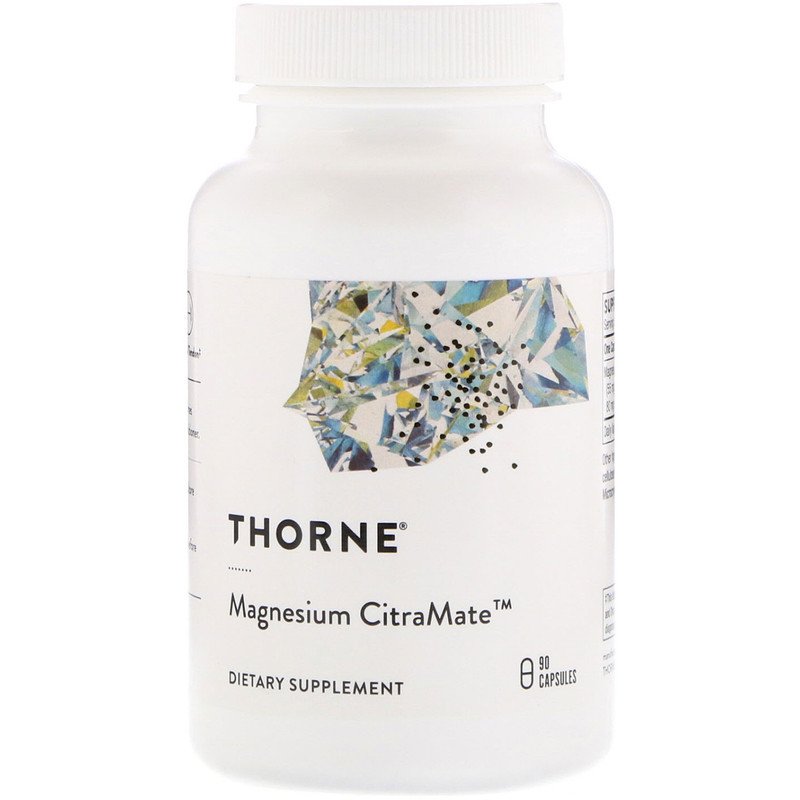
Thorne Research, Magnesium Citramate
€13.55
The next must-have supplement everyone should be taking is magnesium.
By expert estimates, up to 80% of people are deficient in magnesium. [2026 update: The "80%" figure is on the high end of estimates. Dietary intake data shows 45-60% of the US population doesn't meet the RDA for magnesium (Patrick, Greenfield, Masterjohn cite NHANES data). Functional medicine practitioners using broader criteria estimate 60-67% (Robbins, Kresser). The exact number depends on whether you measure serum magnesium, RBC magnesium, or dietary intake — all of which capture different aspects of status. The core message that magnesium insufficiency is widespread and underdiagnosed is strongly supported across the research community.] On top of that, low magnesium levels make vitamin D ineffective.
Magnesium affects every cell in your body. It's involved in at least 300 different cellular metabolic processes, which makes it one of the most fundamental supplements out there. Low magnesium levels are very noticeable: fatigue, muscle cramps, digestive issues, scattered focus, sleep problems, mood swings, migraines, anxiety, depression and all sorts of other problems (1, 2, 3, 4, 5, 6).
Even if you track your nutrition and live a healthy lifestyle, magnesium deficiency is incredibly common. In the US, the majority of adults are magnesium deficient.
That said, magnesium (especially magnesium oxide and citrate) is a supplement you don't want to overdo. Too much of the recommended magnesium citrate can cause bathroom problems. If you need more, go with smaller doses taken more frequently. And if you find that taking magnesium has you running to the toilet too often, it's a good idea to switch to a different form of magnesium.
Different forms of magnesium do different things, but that's a longer topic. A good (and affordable) place to start is a magnesium citrate and malate blend.
Magnesium citrate has a great calming effect and supports good sleep. It's an ideal supplement to take in the evening, about an hour before bed. It's also the best form for muscle twitches and cramps.
Magnesium malate helps boost energy levels throughout the day and calms an overactive nervous system.
2) DHA & omega-3 fatty acids
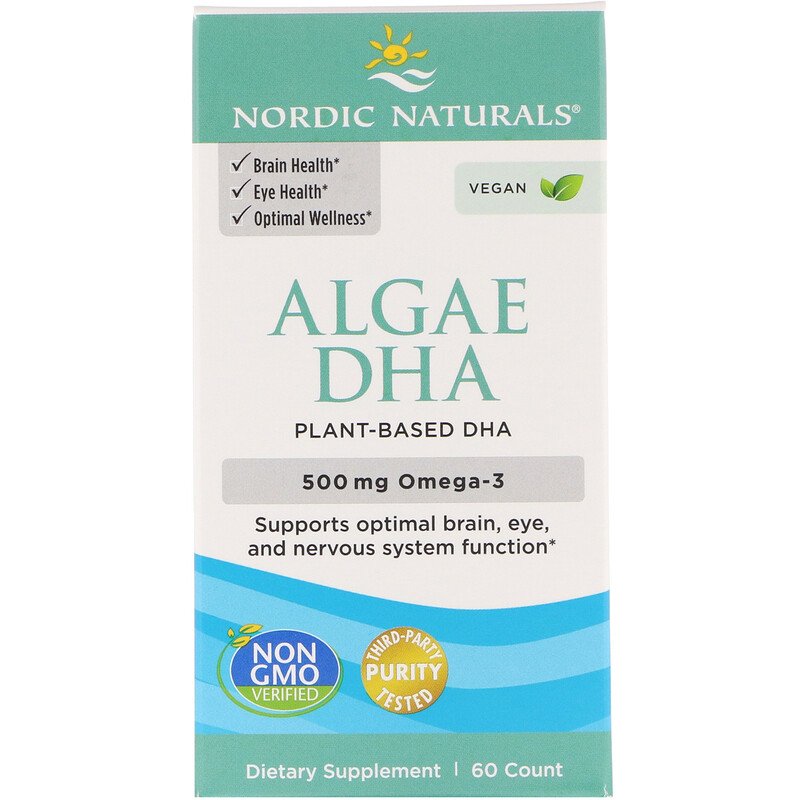
Nordic Naturals, Algae DHA, 60 Soft Gels
€26.85
Omega-3 fatty acids are incredibly important and they have a massive list of benefits for your body and brain. They play a life-sustaining role in cell membranes throughout your entire body. Very few other nutrients have been studied as thoroughly as omega-3 fatty acids.
There are 3 types of omega-3 fatty acids, but the most important one by far is DHA. DHA is the omega-3 fatty acid that powers your mitochondria, protects your heart and strengthens your brain. It's necessary for brain development in infants and healthy brain function in adults.
DHA deficiencies are linked to fetal alcohol syndrome, ADHD, cystic fibrosis, phenylketonuria, depression, aggressive hostility and adrenoleukodystrophy — all very bad things. That last condition is especially dangerous because it involves the breakdown of the myelin sheath that protects nerve cells, similar to multiple sclerosis.
Choosing a quality omega-3 supplement matters because heat and air exposure damage them easily. A damaged omega-3 supplement is mostly useless or in the worst case actually harmful. Since every manufacturer claims their oil is the best, you need to do proper research and learn how to spot quality.
Taking DHA helps control the omega-3-to-6 fatty acid balance in your body, reducing systemic inflammation and playing a big role in overall wellbeing and longevity.
Studies have also shown that supplementing with DHA helps improve memory and reduce aggression toward others during stressful times. Omega-3 fatty acids help you fight depression and anxiety, improve vision, support a child's brain health during fetal and early life, reduce the risk of heart disease, metabolic syndrome symptoms and ADHD symptoms in children. They fight inflammation and autoimmune diseases, improve mental health disorders and age-related cognitive decline and Alzheimer's disease. They also help prevent certain types of cancer, reduce asthma in children, reduce fatty liver, improve bone & joint health, ease menstrual pain, improve sleep and heal skin.
3) Vitamin B12 complex
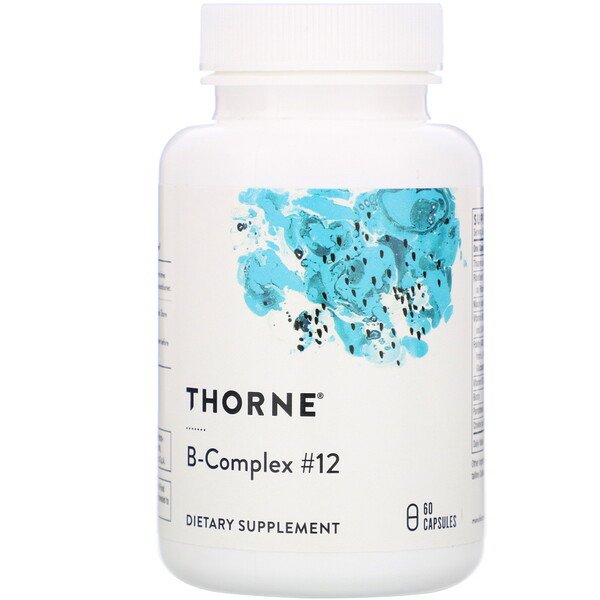
Thorne Research, B-Complex #12, 60 Capsules
€16.26
B vitamins are the pillars of good health. They directly affect your energy levels, brain function and cell metabolism. All the vitamins in the B complex help ward off infections and support cell health.
Vitamin B12 deficiency is very common. Adequate B12 can help fight dementia and depression, boost the immune system, optimize nerve function, protect against atherosclerosis, repair DNA, regenerate cells — and it's absolutely necessary for proper brain function.
B vitamin deficiencies can cause all sorts of neurological problems. And since these vitamins are tightly connected to many other micronutrients, low B vitamin levels can in turn cause deficiencies in other nutrients you need to function.
Modern sterile food processing conditions destroy naturally occurring B12. It's added to animal foods through feed, but deficiencies are still very widespread. For vegetarians and vegans, supplementing B12 is literally a matter of survival. Since plant-based food is naturally rich in folate, it can mask B12 deficiency symptoms. Because the symptoms go unnoticed, or because people try to treat B12 deficiency with folate, vegetarians are at serious risk of permanently damaging their brain and nervous system.
Because they support fetal brain development and reduce the risk of birth defects, B vitamins are especially important for pregnant or breastfeeding women. For expecting mothers, B vitamins raise energy levels, reduce nausea and lower the risk of preeclampsia.
For men, B vitamins help counter age-related testosterone decline and can help build muscle and increase strength.
The B vitamin complex also supports red blood cell growth, digestion, good eyesight, hormone and appetite regulation, muscle tone, and protects you against cardiovascular disease.
All B vitamins need to be taken in their correct bioactive form, which is why choosing a quality product is so important (like the one recommended above).
4) Vitamins D3 & K2
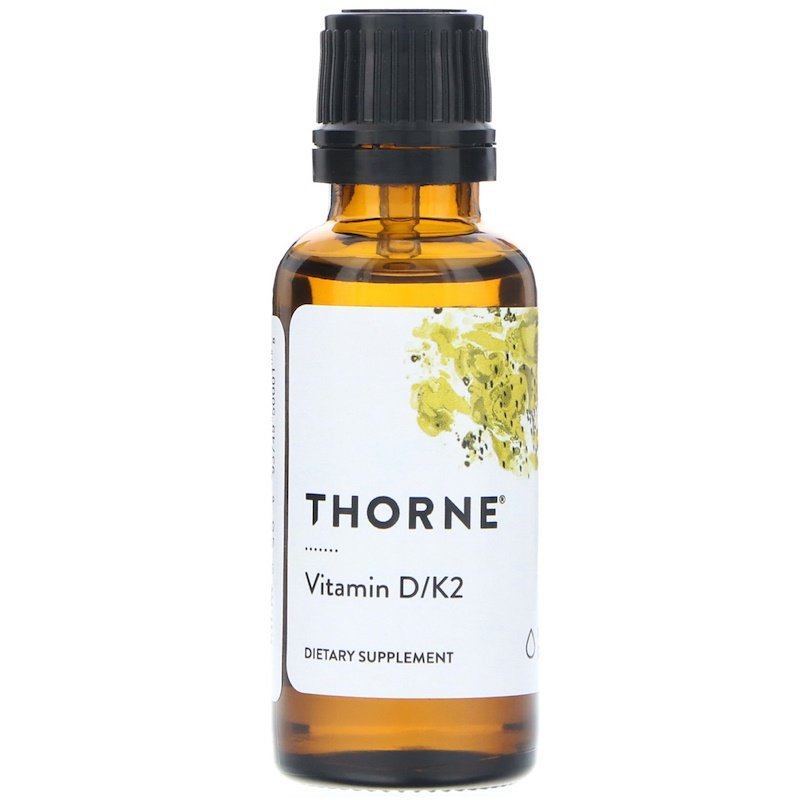
Thorne Research, Vitamin D/K2
€22.59 (lasts at least a year)
The first solid pick is the Thorne vitamin D3 and K2 blend.
As a timely note, there's a strong link between your body's vitamin D levels and how severe COVID hits you. People with low vitamin D levels tend to have the worst outcomes.
Strong health (and a strong immune system) requires optimal vitamin D levels at every stage of life, from fetal development to old age. While there's still no consensus on what the "correct" vitamin D level actually is, it's safe to say that at our latitudes we don't get enough year-round. Even if we do our best and spend summers mostly in the sun, it's rarely comparable to what our ancestors experienced living outdoors.
D3 and K2 both support bone & muscle function, cardiovascular health and immune function. A D3/K2 blend supports skin and dental health, mental health during the dark months, helps ward off illness and improves sleep quality (take it in the morning). It boosts fertility in women (1, 2, 3, 4), helps prevent breast cancer (1, 2, 3 and does a lot of other good stuff.
Low vitamin D levels are linked to all sorts of bad stuff — cancers, heart disease, diabetes, etc.
But a vitamin D supplement alone isn't enough. Try to spend as much time outdoors in the sunlight as possible every day, and the more skin it covers, the better.
If you go with a different D3 product, you should always take vitamin K2 alongside it. D3 without adequate K2 can, in the long run, cause calcification and atherosclerosis.
After extensive research I no longer recommend supplementing vitamin D. I'm planning to write more about this updated position in the future. All other recommendations in this article still stand, and in light of new vitamin D findings, I'm even more confident in them.
[2026 update: The blanket retraction above was overcorrected. The majority of functional medicine researchers (Masterjohn, Patrick, Kresser, Peat, Greenfield, Roddy) support D3 supplementation WITH essential cofactors: vitamin K2 (100+ mcg MK-7), magnesium (400+ mg), and adequate vitamin A/retinol. Masterjohn's research shows these vitamins work cooperatively — D3 without adequate K2 and A can cause problems, which is likely what prompted the original retraction. The concern is biochemically valid, but the solution is to add cofactors, not to stop D3 entirely. Target 35-60 ng/mL via blood testing. Sunlight provides benefits beyond vitamin D (circadian rhythm, melatonin, infrared) and should complement supplementation, not replace it. Only Morley Robbins takes a strong anti-D3 position among researchers surveyed.]
- https://www.medicalnewstoday.com/articles/260147#1
- https://animoto.com/play/ZQmLb39Xv50E6uJmayDHnA
- https://www.sciencealert.com/vitamin-d-tablets-may-be-worse-for-you-then-nothing-at-all
- https://www.wellnessconsults.com/d-is-for-danger
- https://www.vox.com/platform/amp/science-and-health/2017/6/20/15838152/vitamin-d-deficiency-foods-symptoms
- https://link.springer.com/article/10.1007/s00011-014-0755-z
- https://www.ncbi.nlm.nih.gov/pmc/articles/PMC4661572/
- https://pubmed.ncbi.nlm.nih.gov/17218831/
- https://academic.oup.com/ndt/article/27/5/1704/1844110
4) Essential amino acids
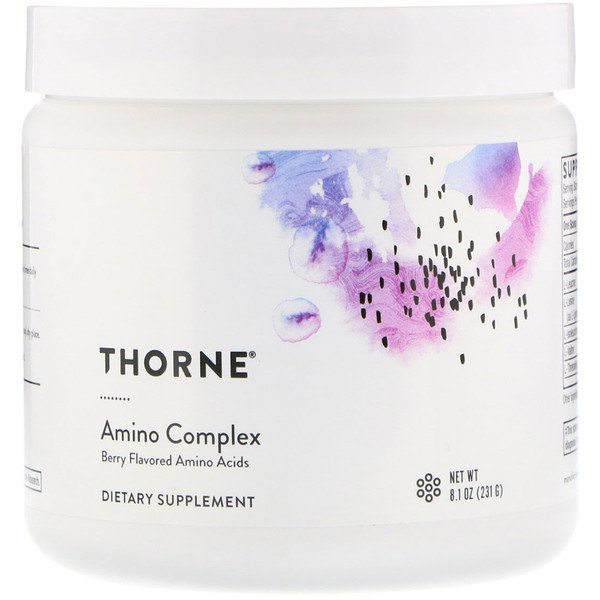
Thorne Research, Amino Complex, Berry Flavored, (219 g)
€37.95
Amino acids, along with B vitamins and minerals, are the primary building blocks of neurotransmitters.
But not all amino acids are created equal.
Essential amino acids (EAAs) are exactly what they sound like. They're essential. Your body can't produce them on its own, and they're absolutely necessary for supporting and maintaining your muscular, skeletal, enzymatic, nervous and hormonal systems.
Branched-chain amino acids (BCAAs) contain only three of the nine essential amino acids. BCAAs are popular among gym-goers and are taken in hopes of stimulating muscle protein synthesis, fighting fatigue and boosting focus during workouts. Unfortunately though, those claimed benefits of BCAAs have since been debunked.
Those claims were based on studies done on rats in 2006, but follow-up studies showed that BCAAs have no effect on muscle growth in humans. They can actually spike blood sugar or insulin levels and cause imbalances in the more important essential amino acids.
In contrast, all nine essential amino acids in the correct form and balance can improve muscle mass retention, boost metabolic rate and optimize brain & liver function, with zero side effects. The only catch is that essential amino acids are a lot more expensive than BCAA blends.
Your body gets amino acids from protein in your food. But from typical protein sources, your body actually absorbs less than 50%. Nitrogen studies show that when you eat an egg, your body only absorbs 48% of the protein. From poultry, meat and fish it's less than 32%, and from whey and soy protein less than 18%. The absorption rate of BCAAs? 1%.
The absorption rate of essential amino acids in the right form and balance? 99%.
[2026 update: The "99%" figure refers to "Net Nitrogen Utilization" (NNU) — how much of the amino acids are used for protein synthesis rather than excreted as waste — from the MAP product literature. This is different from intestinal absorption rate. Free-form EAAs are absorbed faster and more completely than whole protein, but the specific 99% NNU figure hasn't been independently verified outside the manufacturer's own studies.]
So if you want to accelerate muscle growth, recover faster from training, boost your endurance for hard workouts, support healthy aging, or you're on a plant-based or ketogenic diet, then essential amino acids are a really solid choice.
If you want to curb hunger, need a quick energy boost during a workout, or you're running a marathon, essential amino acids give your body what it needs.
More info in the book the search for the perfect protein.
5) Creatine (Bonus!)
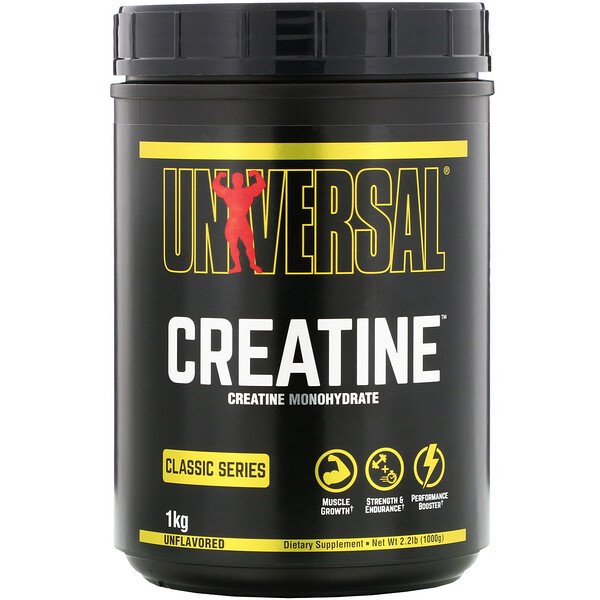
Universal Nutrition, Creatine, 1000 g
€20.40 (lasts more than half a year)
Creatine is one of the most studied and safest performance and cognition-boosting compounds out there.
Creatine plays a big role in energy production at the cellular level. Its job is to produce adenosine triphosphate (ATP). ATP is basically your body's main energy currency — every cell in your body needs it.
Creatine is an organic acid that your body produces on its own from other amino acids, but it's also found in foods like meat, eggs and fish. Creatine deficiencies typically show up in athletic people, older adults and vegetarians.
Supplementing creatine improves muscle performance and power while also supporting physical endurance and muscle mass gains.
Because creatine is widely used by athletes, people tend to think it's only for gym buffs. Outside of sports, creatine has proven benefits for your mitochondria and brain. It reduces muscle mass loss and supports cognitive function, especially in aging populations.
When you start taking creatine, it's recommended to do a one-week loading phase at 2-4x the recommended daily dose.
No downsides to creatine supplementation have been identified.
Summary
If you want to take control of your own health and start supplementing, now you know where to begin.
Of course there are still tons of other interesting compounds and products out there.
Quality supplements aren't cheap, but think of their benefits like compound interest. The healthier you are and the better you feel, the more you can get done — and the less you'll want to wreck your health with bad habits.
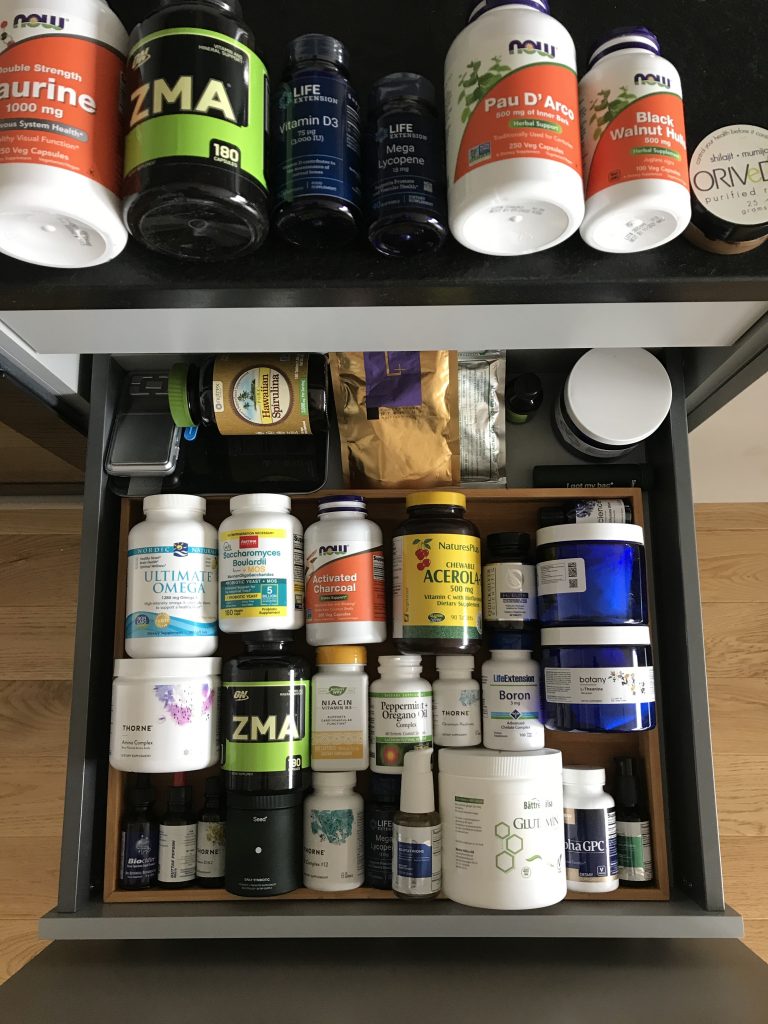
A little reminder from my supplement shelf.
There are plenty of options and variations out there, and I plan to write about all of it in the future.
[2026 update: All product prices listed in this article were accurate as of September 2020. Supplement prices have increased significantly since then. Please check current prices on iHerb or the manufacturer's website before purchasing. Also note that the Thorne Amino Complex (Berry) is being discontinued — check for the Lemon flavor or alternative EAA products.]